Your AI Employee That Never Sleeps: Automating Customer Support

Your phone rings at 9 PM. You don't answer because you're eating dinner with your family. That caller moves on to your competitor. Every missed after-hours interaction is money walking out the door.
Small businesses can't afford a 24/7 support staff. But they also can't afford to lose leads and frustrate customers who asked a simple question at the wrong time.
AI customer support changes the math.
What Automating Support Actually Looks Like
Most small business owners picture chatbots when they hear "AI support." That's part of it. But the real system does more:
It answers the phone. AI voice agents handle inbound calls, ask qualifying questions, and either resolve the issue or book an appointment with you. No hold music. No voicemail that you check three days later.
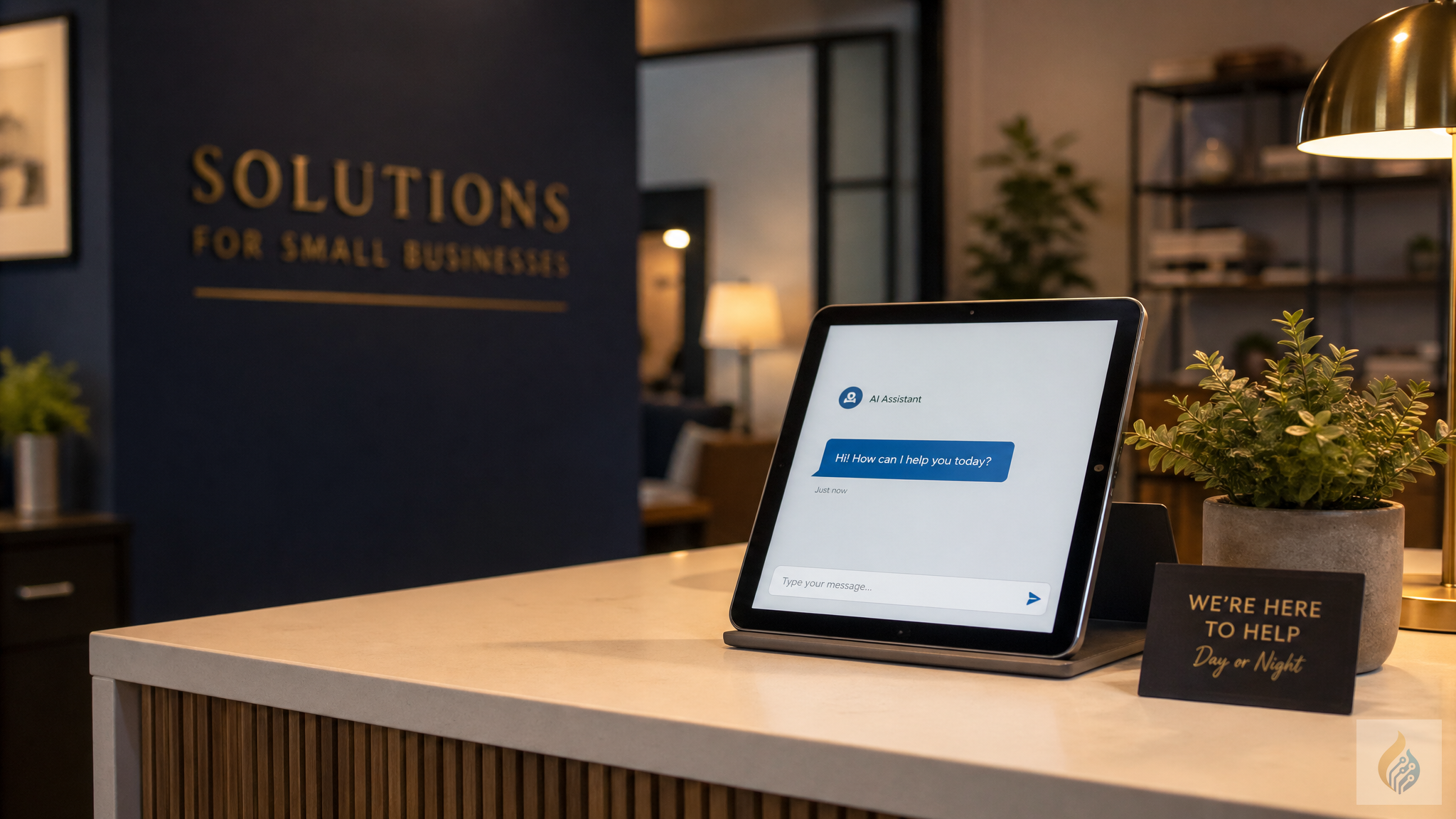
It replies to emails and texts within minutes. Not hours. Your customer sends a question at midnight and gets an answer before they wake up.
It qualifies leads automatically. The AI asks the right questions, checks availability, and queues a callback, all without you touching it.
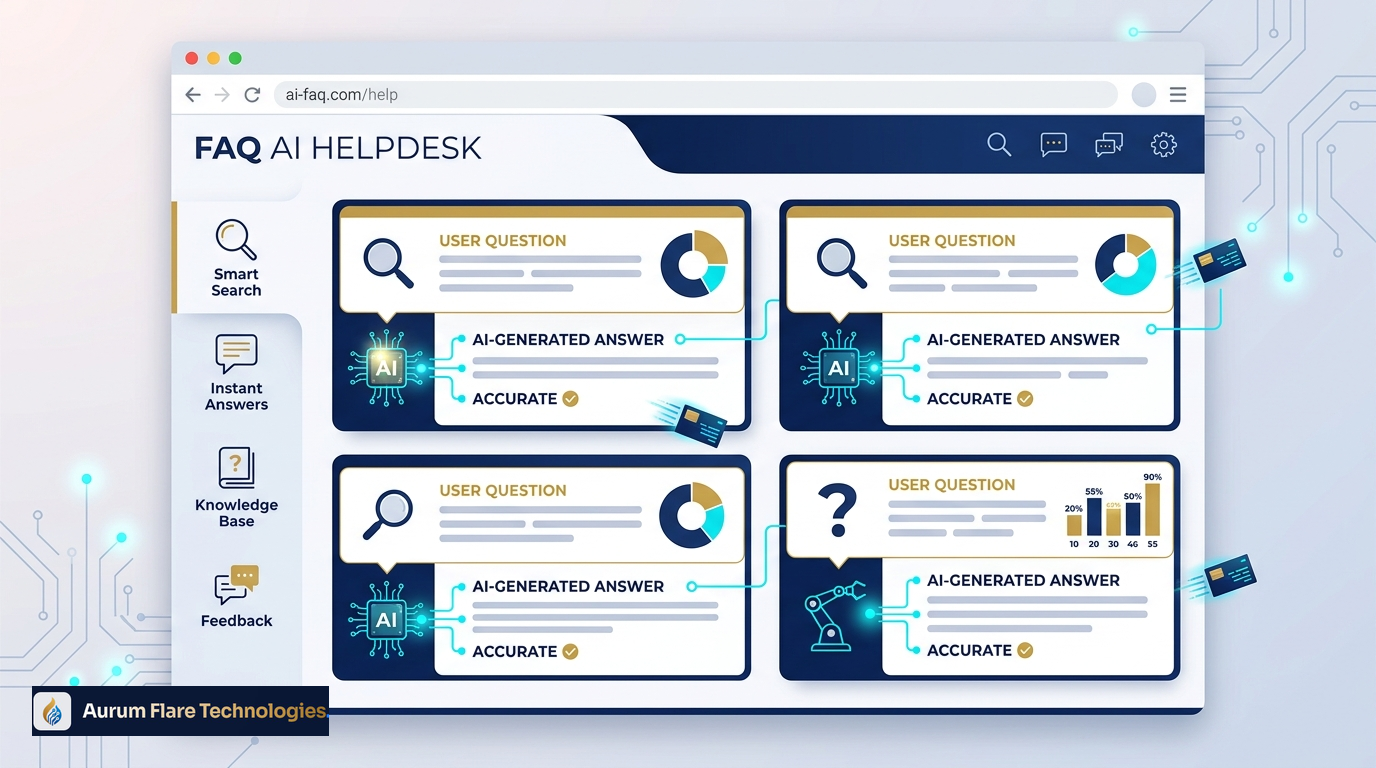
It handles refunds, FAQs, and scheduling. These requests make up 60–80% of typical support volume. Automating them frees your team for calls that actually need a human.
One HVAC contractor in Ohio implemented this system and cut his response time from 14 hours to under 5 minutes. His booking rate went up 30% in the first month.
The Stack That Makes This Work
You don't need enterprise software or a six-figure implementation. A basic AI support stack for a small business runs $150–$300/month and handles the volume that would require a part-time employee at $1,500–$2,000/month.
The core pieces are an AI phone agent for calls and scheduling, an AI email and text responder for round-the-clock replies, and a CRM that logs interactions automatically.
Most businesses already have a phone number and email. The AI layer goes on top without replacing what you're using.
What About the Complex Issues?
The fear is that AI will give wrong answers or frustrate customers with generic responses. That's a real risk if you set it up wrong.
A properly configured AI support system knows when to escalate. If a customer says "I want to cancel" or "your product broke," the AI routes that to you immediately with context. It doesn't try to talk someone out of canceling. It notifies you so you can handle it personally.
The AI handles the volume. You handle the relationships.
Getting Started Without Disrupting Your Business
You don't need to rip out your current system. Start with one channel, usually phone or text, and let the AI handle it for 30 days while you watch the results.
Track three numbers: response time, booking rate, and customer satisfaction. After 30 days, you'll have real data on whether it's working.
Most businesses find that AI handles 70–80% of incoming requests without escalation. You spend your time on the calls and messages that actually matter.
The Bottom Line
You can't hire someone to answer the phone at 10 PM. But AI can. And it doesn't take breaks, doesn't get tired, and doesn't have a bad day.
If you're losing leads to slow response times, or if you're spending hours every week on questions that a FAQ could answer, automation is already overdue.
Reach out to the Aurum Flare team to see what a custom AI support system looks like for your business at https://www.aurumflare.com/contact/.
See how AI automation could work for your business
Book a free 30-minute assessment — no pitch, just answers.
Book a Free Assessment